Spray Foam Insulation & Mortgage Concerns for Homeowners
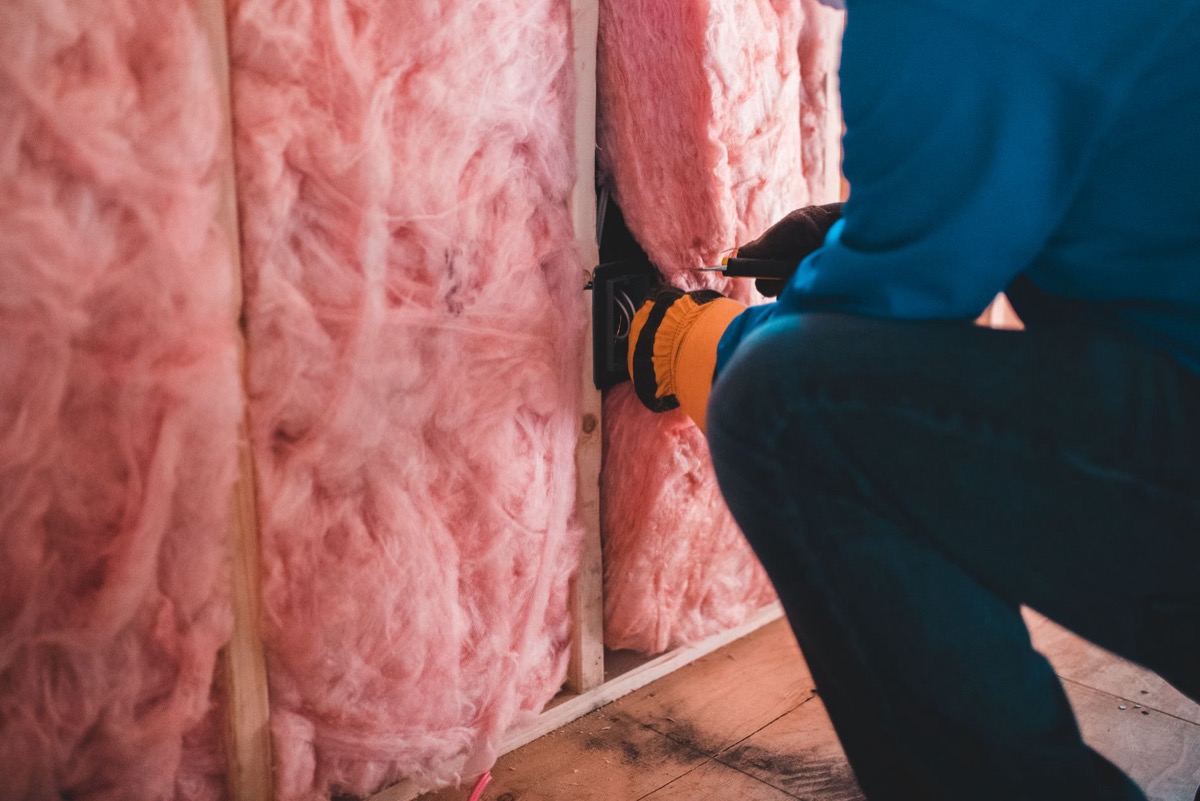
A recent report highlighted by The Intermediary indicates that some Scottish homeowners have faced mortgage refusals stemming from the presence of spray foam insulation. This situation underscores a broader concern emerging within the property market regarding spray foam insulation problems and their potential impact on homeowners' ability to secure or refinance mortgages.
While spray foam can be an effective insulation solution, offering benefits like improved energy efficiency and air sealing, it's crucial for homeowners to understand the specific issues that can arise, particularly concerning property valuation and lender confidence. This guide will help you navigate these complexities.
Why Spray Foam Insulation Can Raise Lender Concerns
Mortgage lenders prioritize the long-term value and structural integrity of a property. When it comes to spray foam insulation, particularly when applied in roof spaces, several factors can trigger caution:
- Moisture Management and Trapped Humidity: Spray foam, especially closed-cell foam, can create a very effective vapor barrier. If not installed correctly or without adequate ventilation, it can trap moisture within the roof structure. This trapped moisture can lead to timber decay and rot, which may go undetected for years, potentially compromising the structural integrity of the roof.
- Difficulty of Inspection: The rigid nature of spray foam can obscure the roof structure from traditional inspection methods. Surveyors may be unable to thoroughly assess the condition of roof timbers, identify pre-existing defects, or detect new issues, making lenders wary.
- Removal Challenges and Costs: Removing spray foam insulation is often complex, labor-intensive, and costly. It can also risk damaging the underlying structure. This potential expense and disruption can be a significant deterrent for lenders considering future resale or repossession.
- Impact on Structural Ventilation: Traditional pitched roofs often rely on a degree of natural airflow for ventilation. Spray foam insulation, when incorrectly applied, can impede this airflow, contributing to moisture accumulation and reducing the lifespan of roof components.
Potential Problems for Homeowners and Property Transactions
For homeowners, the presence of spray foam insulation, when installed without proper consideration, can create several challenges:
- Mortgage Refusals: As highlighted by recent reports, lenders may refuse to offer new mortgages or remortgages on properties with spray foam, especially if concerns about the installation quality or potential structural issues are raised by a surveyor.
- Reduced Resale Value: Properties with perceived issues related to spray foam may be harder to sell, or buyers may demand a reduced price to account for potential future costs or difficulties in obtaining financing.
- Insurance Implications: While less common, some insurance providers might have specific clauses or higher premiums for properties with certain types of insulation if they are deemed to increase risk.
- Home Energy Assessments: While spray foam generally improves energy efficiency, the underlying problems it might mask or create can overshadow these benefits in a property valuation context. To understand how different insulation types impact your home's energy performance, use our free R Value Calculator.
Navigating Spray Foam Insulation: Solutions and Considerations
If you have spray foam insulation or are considering installing it, here are key considerations to mitigate potential mortgage problems:
- Professional Installation: Always use a qualified, certified installer who adheres to relevant building codes and industry best practices. Ensure they provide guarantees for their work and materials. Our Spray Foam Calculator can help estimate material needs, but professional installation is paramount.
- Detailed Surveys: If you are purchasing a property with spray foam, insist on a comprehensive building survey from a surveyor experienced with spray foam. This survey should specifically address the condition of the roof structure and ventilation.
- Documentation and Certification: Keep all documentation related to the spray foam installation, including product specifications, installer certifications, guarantees, and any ventilation assessments. This can provide reassurance to future lenders or buyers.
- Open-Cell vs. Closed-Cell: Understand the differences. Open-cell foam is permeable to vapor and less rigid, potentially allowing some moisture movement. Closed-cell foam is a denser vapor barrier. The choice and application depend heavily on the specific building structure and climate zone you're in. Learn more about regional differences with our Climate Zones guide.
- Consider Alternatives: Before installing spray foam, research other insulation options like blown-in insulation for attics, which may pose fewer concerns for lenders while still offering excellent thermal performance. You can estimate costs for various attic insulation types using our Attic Insulation Calculator.
Ultimately, transparency and professional assessment are your best tools when dealing with spray foam insulation in the context of mortgages and property transactions.
DOE-recommended attic R-value by climate zone
Key Takeaways
- Spray foam insulation, while energy-efficient, can lead to mortgage refusals due to lender concerns about hidden structural issues.
- Lenders worry about trapped moisture, obscured roof structures, costly removal, and compromised ventilation.
- Homeowners may face difficulties with remortgaging, selling their property, or securing financing on homes with spray foam.
- Always ensure professional installation by certified technicians and maintain thorough documentation.
- Comprehensive building surveys are crucial for properties with spray foam to assess potential underlying problems.
Try It Yourself — Free
Understanding the right insulation for your home's needs is key to both energy efficiency and long-term property value. Explore different insulation options and estimate their costs using our free insulation calculator, or specifically compare spray foam options with our spray foam calculator.
Related Resources
- Attic Insulation Calculator
- Blown in Insulation Calculator
- Climate Zones
- R Value Calculator
- Complete Guide
More From Our Network
- Duct Size Calculator — same niche
- cyberfrad — our network
Sources
- The Intermediary — Original report
- Royal Institution of Chartered Surveyors (RICS) — The risks of spray foam insulation in lofts