Rising Energy Costs: Boost Household Efficiency
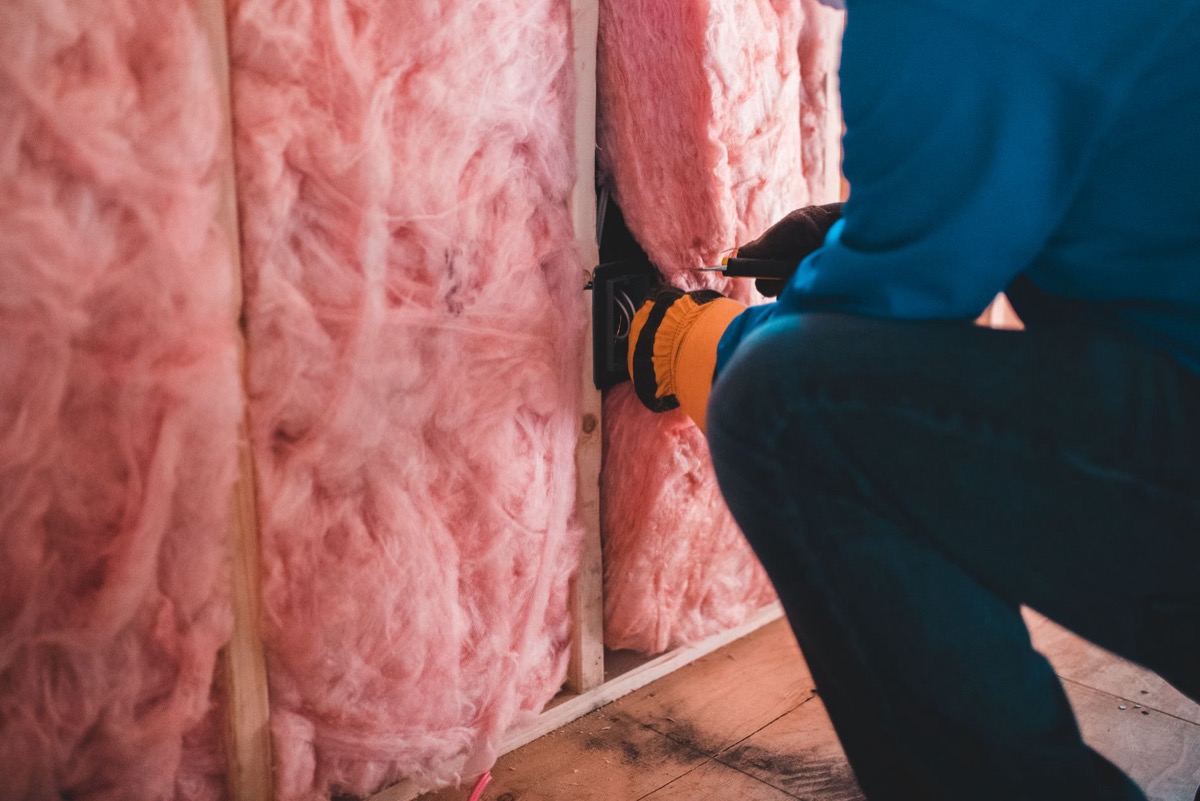
Recent news, such as reports highlighted by wbt.com, emphasizes how rising energy costs are putting household efficiency under the spotlight. Homeowners are increasingly seeking ways to mitigate the impact of higher utility bills on their budgets. Fortunately, many practical and effective energy efficiency solutions exist to help you take control of your home's energy consumption.
This guide will walk you through key strategies, primarily focusing on insulation and weatherization, to help you boost your household's efficiency, reduce your carbon footprint, and enjoy a more comfortable living space year-round.
Understanding Your Home's Energy Landscape
Before diving into specific solutions, it's helpful to understand where your home's energy typically goes. For most households, heating and cooling systems consume the largest portion of energy, often accounting for more than half of annual utility bills. This makes improvements related to temperature control some of the most impactful energy efficiency solutions.
Your home's "envelope" – its roof, walls, windows, and foundation – acts as a barrier between the conditioned indoor air and the outside environment. When this envelope is weak, conditioned air escapes, and unconditioned air infiltrates, forcing your HVAC system to work harder and consume more energy.
Insulation: The Foundation of Energy Efficiency
Proper insulation is one of the most effective and cost-efficient ways to enhance your home's energy performance. It creates a thermal barrier that resists heat flow, keeping your home warmer in winter and cooler in summer. The effectiveness of insulation is measured by its R-value, a higher R-value indicating greater resistance to heat flow.
- Attic Insulation: Heat naturally rises, making a well-insulated attic crucial for preventing significant heat loss in winter and heat gain in summer. You can explore options and estimate needs with our attic insulation calculator.
- Wall Insulation: Properly insulated walls reduce heat transfer through the largest surface area of your home. This can be achieved with various materials, including blown-in insulation or spray foam for existing walls.
- Floor Insulation: Insulating floors, especially those over unheated basements, crawl spaces, or garages, helps prevent cold drafts and improves comfort.
Understanding the right R-value for your specific climate zone is essential for maximizing benefits. Use our R-value calculator to determine appropriate levels.
Weatherization: Sealing the Envelope
Even with excellent insulation, your home can still lose a significant amount of energy through air leaks. Weatherization, which involves sealing these leaks, works in tandem with insulation to create a truly energy-efficient home. The U.S. Department of Energy estimates that sealing air leaks can save a typical homeowner 10% to 20% on heating and cooling bills.
- Caulking and Weatherstripping: These are simple, low-cost solutions for sealing gaps around windows, doors, and other small openings.
- Sealing Ducts: Leaky ductwork can waste a considerable amount of energy by allowing conditioned air to escape before it reaches its intended rooms. Sealing ducts with mastic or foil-backed tape is a vital step.
- Addressing Larger Gaps: Gaps around pipes, wires, and chimneys entering your home's conditioned spaces can be sealed with expanding foam or appropriate sealants.
Together, comprehensive insulation and meticulous weatherization form the most fundamental and impactful energy efficiency solutions for any household, directly addressing the core causes of high energy bills.
DOE-recommended attic R-value by climate zone
Key Takeaways
- Heating and cooling account for the largest portion of most homes' energy use.
- Proper insulation, determined by R-value and climate zone, is key to thermal control.
- Weatherization, like sealing air leaks and ducts, complements insulation for maximum savings.
- Investing in insulation and air sealing provides significant, long-term energy cost reductions.
Try It Yourself — Free
Ready to discover how much you can save and what insulation you need? Use our free insulation calculator to get started. You might also find our R-value calculator helpful in understanding insulation performance for your specific needs.
Related Resources
- Attic Insulation Calculator
- Blown in Insulation Calculator
- Climate Zones
- R Value Calculator
- Complete Guide
More From Our Network
- Duct Size Calculator — same niche
- cyberfrad — our network
Sources
- wbt.com — Original report
- wbt.com — Rising energy costs are putting household efficiency under the spotlight.
- U.S. Department of Energy — Heating and cooling typically account for the largest portion of a home's energy bills.