How Home Insulation Saves You Money on Energy Bills
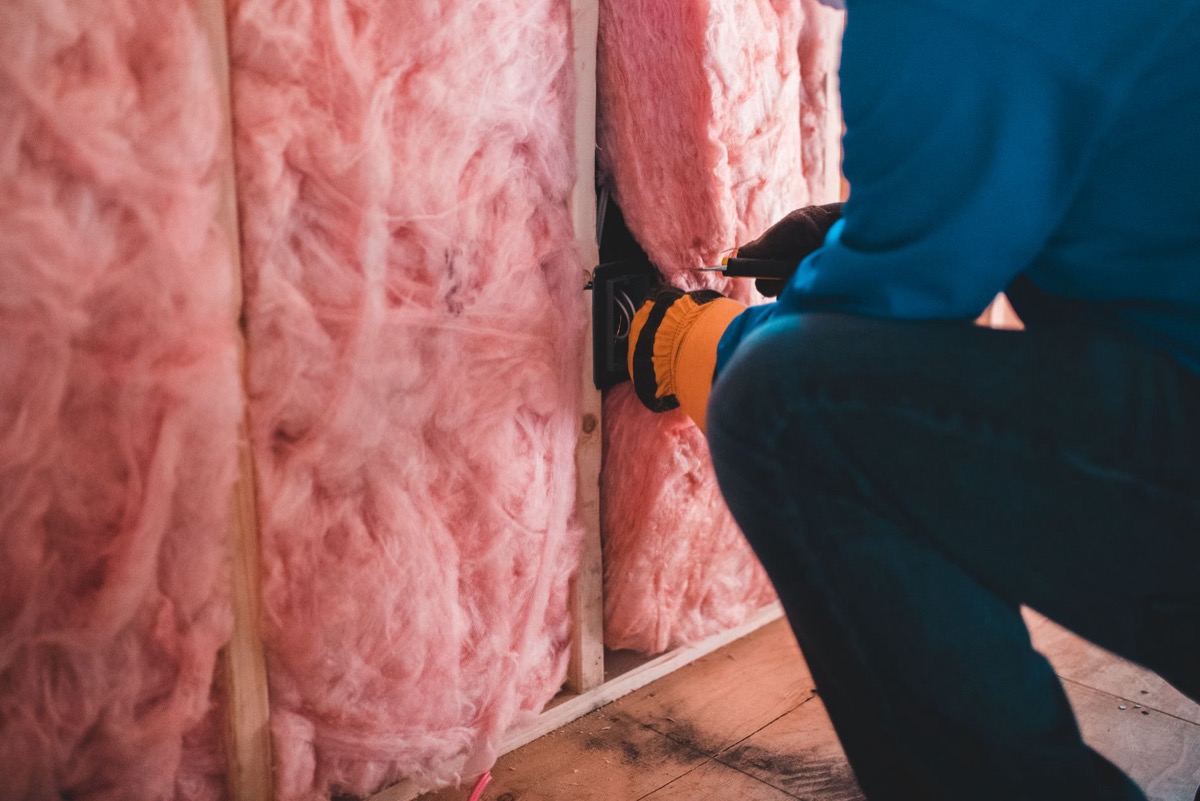
The U.S. Department of Energy (DOE) recently highlighted a crucial message for homeowners: "Insulate Your Home — and Your Bank Account." This timely reminder underscores the direct link between a well-insulated home and substantial financial savings.
Beyond immediate comfort, improving your home's insulation is one of the most effective strategies for long-term energy bill reduction. By minimizing unwanted heat transfer, insulation helps maintain a consistent indoor temperature, reducing the workload on your heating and cooling systems and putting money back into your pocket.
The Science of Savings: How Insulation Reduces Heat Transfer
At its core, insulation works by resisting heat transfer. Heat naturally moves from warmer areas to cooler areas. In winter, heat escapes from your warm home to the cold outdoors; in summer, outdoor heat infiltrates your cool indoor spaces. Insulation acts as a barrier, slowing this natural process through three main methods:
- Conduction: Heat traveling directly through materials, like walls or ceilings. Insulation materials are inherently poor conductors.
- Convection: Heat moving through air currents. Insulation traps air, preventing its circulation.
- Radiation: Heat traveling as electromagnetic waves, especially from hot surfaces. Some insulation types, like radiant barriers, are specifically designed to reflect this heat.
The effectiveness of insulation is measured by its R-value, which indicates its resistance to heat flow. A higher R-value means greater insulating power and, consequently, better energy bill reduction.
Direct Impact: Turning Insulation into Energy Bill Reduction
When your home is properly insulated, your heating and cooling systems don't have to work as hard to maintain your desired indoor temperature. This reduced workload directly translates to lower energy consumption and significant savings on your utility bills. The U.S. Department of Energy states that adding insulation is one of the most cost-effective ways to improve energy efficiency, potentially reducing heating and cooling costs by 10% to 50%, depending on various factors.
- Heating Savings: In colder months, less heat escapes through areas like your attic, walls, and floors, meaning your furnace runs less frequently.
- Cooling Savings: During warmer seasons, insulation prevents outdoor heat from entering, allowing your air conditioner to cycle less often.
Over time, these daily reductions accumulate into substantial financial benefits. The initial investment in insulation can pay for itself through these consistent energy savings, providing a strong return on investment.
Long-Term Investment and Choosing Your Solution
While energy bill reduction is a primary motivator, improving your home's insulation offers several other valuable benefits:
- Enhanced Comfort: Consistent indoor temperatures mean fewer cold spots in winter and less stuffiness in summer.
- Noise Reduction: Many insulation materials also help dampen outside noise, contributing to a quieter indoor environment.
- Increased Home Value: An energy-efficient home is often more attractive to potential buyers.
Choosing the right insulation depends on various factors, including your home's structure, climate zone, and budget. Popular options include blown-in cellulose or fiberglass, spray foam, and batts. Each type offers different R-values and installation considerations. Understanding your specific needs and local climate is key to making an informed decision that maximizes your energy savings.
DOE-recommended attic R-value by climate zone
Key Takeaways
- Proper home insulation significantly reduces energy bills by minimizing heat transfer.
- Insulation's R-value indicates its resistance to heat flow, with higher values offering better energy efficiency.
- Reduced workload on HVAC systems leads directly to lower heating and cooling costs, saving 10% to 50%.
- Beyond financial savings, insulation improves comfort, reduces noise, and can increase home value.
- Selecting the correct insulation type and R-value for your home and climate is crucial for maximizing benefits.
Try It Yourself — Free
Ready to estimate your potential savings? Use our free insulation calculator to determine the ideal R-value for your home and explore options like our Attic Insulation Calculator to get started on your energy bill reduction journey.
Related Resources
- Attic Insulation Calculator
- Blown in Insulation Calculator
- Climate Zones
- R Value Calculator
- Complete Guide
More From Our Network
- Duct Size Calculator — same niche
- cyberfrad — our network
Sources
- Department of Energy (.gov) — Original report
- Department of Energy — "Insulate Your Home — and Your Bank Account"
- Department of Energy — Adding insulation can reduce energy bills by 10% to 50%.
- Department of Energy — R-value measures insulation's resistance to heat flow.