Home Insulation Tax Credits: Save on Upgrades
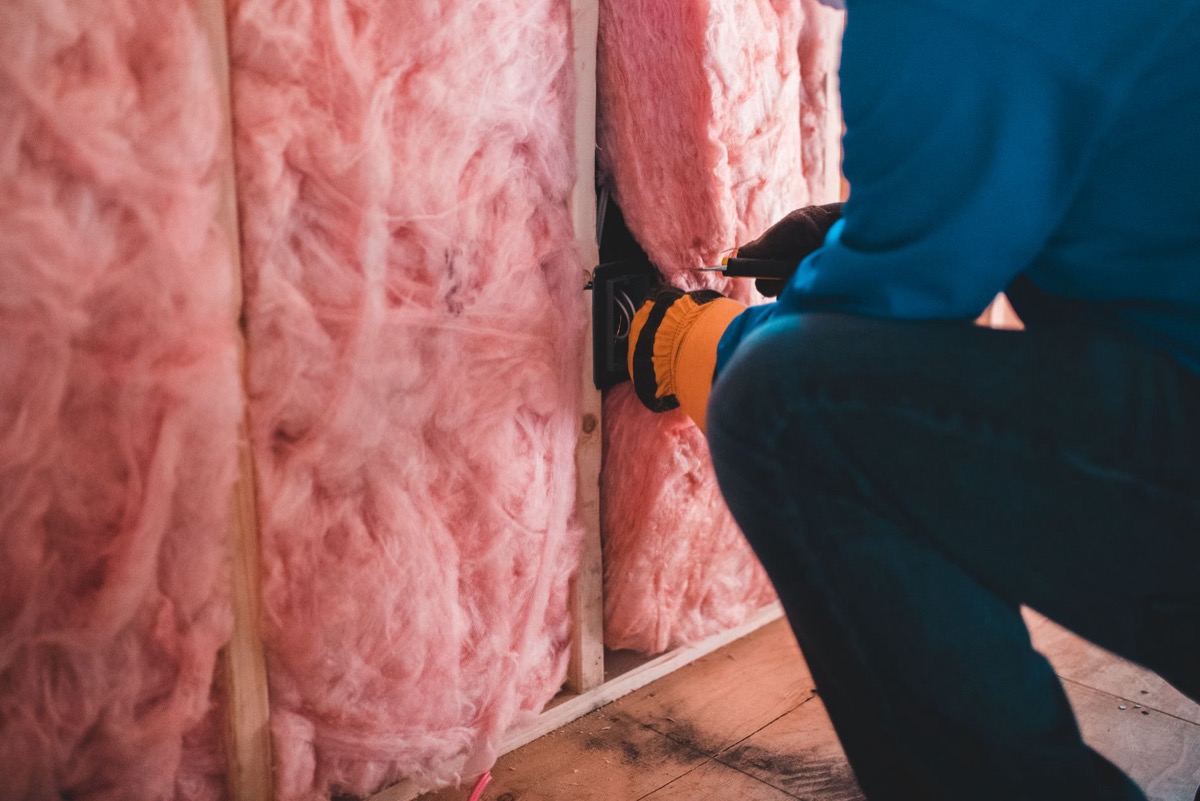
The ongoing push for energy efficiency in homes, highlighted by recent discussions around updated tax credits for products like Owens Corning PINK Next Gen Fiberglas, presents a significant opportunity for homeowners. Investing in home insulation upgrades doesn't just promise lower utility bills; it can also make you eligible for valuable federal tax credits.
Understanding the current federal tax credits for home insulation, including eligibility requirements, how to claim them, and which materials qualify, is essential for maximizing your savings and improving your home's comfort and value.
The Energy Efficient Home Improvement Credit (25C)
The primary federal incentive for homeowners undertaking insulation upgrades is the Energy Efficient Home Improvement Credit, often referred to as Section 25C of the U.S. tax code. Reinstated and enhanced by the Inflation Reduction Act of 2022, this credit allows eligible homeowners to claim 30% of the cost for qualifying energy-efficient home improvements.
For insulation specifically, this credit typically falls under a larger annual limit for combined eligible improvements, often capped at $1,200 per taxpayer per year. This means you can get a credit for 30% of your insulation costs, up to this annual maximum, provided it's installed in your primary residence.
What Insulation Materials and Projects Qualify?
To qualify for the Energy Efficient Home Improvement Credit, insulation materials must be installed to reduce heat loss or gain in your home's building envelope. This includes materials like:
- Fiberglass insulation: Batts, rolls, or blown-in varieties.
- Cellulose insulation: Often blown-in for attics and walls.
- Mineral wool insulation: Batts, rolls, or loose-fill.
- Rigid foam boards: Often used for walls, foundations, or attics.
- Spray foam insulation: Open-cell or closed-cell varieties.
The insulation must be new and installed in an existing home that serves as your primary residence. It's important that the materials meet specific energy efficiency standards, often referenced by the ENERGY STAR program or relevant building codes. Understanding the appropriate R-value for your climate zone is also crucial for effective insulation and potential qualification.
Eligibility, Claiming Your Credit, and Documentation
Before planning your project, ensure you meet the eligibility criteria:
- Primary Residence: The insulation must be installed in an existing home that is your primary residence in the United States. New construction typically does not qualify for this specific credit, nor do homes used solely as rentals.
- New Materials: The insulation must be new; labor costs for installation are generally not included in the credit calculation, but the cost of the materials themselves is.
To claim the credit, you'll need to file IRS Form 5695, Residential Energy Credits, with your tax return for the year the insulation was placed in service. Crucially, you must retain detailed records, including receipts for the insulation purchase and any manufacturer's certifications verifying that the product meets the necessary energy efficiency requirements. These certifications are often found on product packaging or the manufacturer's website.
Maximizing Your Insulation Investment
Beyond federal tax credits, consider these strategies to maximize the return on your insulation investment:
- Long-Term Energy Savings: High-quality insulation significantly reduces heating and cooling costs year-round, leading to substantial savings over time.
- Utility Rebates: Many local utility companies offer rebates for energy-efficient home improvements. Check with your energy provider for available programs in your area.
- Proper Installation: Correct installation is vital for insulation to perform at its rated R-value and ensure you capture all potential energy savings.
By combining federal tax credits with long-term energy savings and potential local incentives, your home insulation upgrade becomes a smart financial move that boosts comfort and property value.
DOE-recommended attic R-value by climate zone
Key Takeaways
- Federal tax credits, like the 25C Energy Efficient Home Improvement Credit, offer 30% back on qualifying insulation costs.
- An annual cap of $1,200 generally applies to combined energy-efficient home improvements, including insulation.
- Most common insulation materials installed in a primary residence can qualify if they meet energy efficiency standards.
- Claim the credit using IRS Form 5695 and keep detailed records, including receipts and manufacturer certifications.
- Beyond credits, insulation provides long-term energy savings and can be combined with local utility rebates.
Try It Yourself — Free
Ready to estimate your insulation needs and potential savings? Use our free insulation calculator to determine the right R-value and quantity for your project. If you're tackling your attic, try our Attic Insulation Calculator to get started!
Related Resources
- Attic Insulation Calculator
- Blown in Insulation Calculator
- Climate Zones
- R Value Calculator
- Complete Guide
More From Our Network
- Duct Size Calculator — same niche
- cyberfrad — our network
Sources
- AD HOC NEWS — Original report
- Internal Revenue Service (IRS) — The primary federal incentive for homeowners undertaking insulation upgrades is the Energy Efficient Home Improvement Credit, often referred to as Section 25C of the U.S. tax code. Reinstated and enhanced by the Inflation Reduction Act of 2022, this credit allows eligible homeowners to claim 30% of the cost for qualifying energy-efficient home improvements... often capped at $1,200 per taxpayer per year.
- ENERGY STAR (U.S. Environmental Protection Agency) — insulation materials must be installed to reduce heat loss or gain in your home's building envelope... The insulation must be new and installed in an existing home that serves as your primary residence. It's important that the materials meet specific energy efficiency standards, often referenced by the ENERGY STAR program or relevant building codes.
- Internal Revenue Service (IRS) — To claim the credit, you'll need to file IRS Form 5695, Residential Energy Credits, with your tax return for the year the insulation was placed in service. Crucially, you must retain detailed records, including receipts for the insulation purchase and any manufacturer's certifications...