Does Home Insulation Help Keep Your House Cool in Summer?
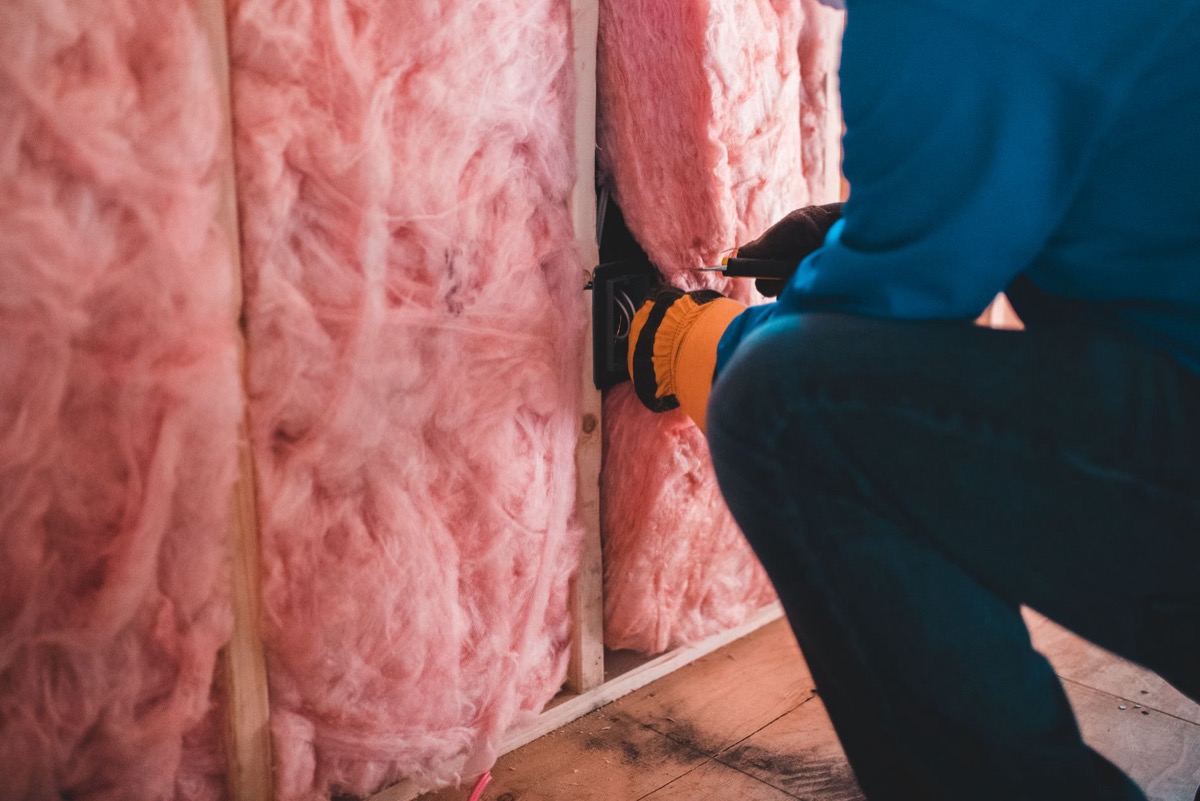
A recent inquiry by the BBC, exploring the question "Can home insulation keep you cool in summer?", highlights a critical, often-overlooked benefit of proper insulation. While commonly associated with trapping warmth during colder months, effective insulation is equally vital for maintaining a comfortable, cool indoor environment when temperatures soar.
This page will explain the principles by which insulation actively works to prevent heat from entering your home in summer, improving indoor comfort, and significantly reducing the need for costly air conditioning.
The Science Behind Summer Cooling with Insulation
To understand how insulation helps keep your home cool, it's essential to grasp the fundamentals of heat transfer. Heat naturally moves from warmer areas to cooler areas through three primary mechanisms: conduction, convection, and radiation. In summer, the sun heats your roof, walls, and windows, and this heat attempts to move into your cooler living spaces.
Insulation acts as a barrier, resisting this inward flow of heat. It slows down conduction through building materials and reduces heat transfer by radiation and convection within wall cavities and attics. By creating a thermal resistance, measured by its R-value, good insulation for cooling effectively keeps the outside heat from penetrating your home's envelope. This means your air conditioner doesn't have to work as hard, or as long, to maintain a comfortable temperature.
Critical Areas for Summer Heat Control
While a whole-house approach to insulation is ideal, certain areas are particularly susceptible to heat gain during summer and offer the most significant impact when properly insulated:
- Attic and Roof: The attic is often the hottest part of a home due to direct solar radiation on the roof. Proper attic insulation, combined with adequate ventilation, is paramount to prevent this intense heat from radiating into the living spaces below.
- Walls: Exterior walls are constantly exposed to outdoor temperatures and sunlight. Insulating walls helps to slow the transfer of heat from the outside into your home.
- Floors: If your home has a crawl space, basement, or is built over an unconditioned garage, insulating the floors above these spaces can prevent heat from rising into your living areas.
Understanding the thermal resistance (R-value) needed for different parts of your home and climate zone is key. Our R-value Calculator can help you determine appropriate levels.
The Broader Benefits: Energy Savings & Comfort
Beyond simply making your home feel cooler, effective insulation provides a wealth of advantages:
- Reduced Energy Bills: By significantly decreasing the amount of heat entering your home, insulation lessens the workload on your air conditioning system. This translates directly into lower electricity consumption and noticeable savings on your utility bills during peak summer months.
- Enhanced Indoor Comfort: Insulation helps maintain more consistent indoor temperatures, eliminating hot spots near exterior walls, ceilings, and windows. This results in a more uniformly comfortable living environment throughout your home.
- Environmental Impact: Lower energy consumption not only saves money but also reduces your home's carbon footprint, contributing to a more sustainable lifestyle.
- Improved HVAC Lifespan: When your AC unit doesn't have to run continuously at maximum capacity, it experiences less wear and tear, potentially extending its operational lifespan.
DOE-recommended attic R-value by climate zone
Key Takeaways
- Home insulation significantly reduces heat gain, keeping your house cooler in summer.
- It works by creating a thermal barrier that slows heat transfer from the outside to the inside.
- Prioritizing insulation in attics, walls, and floors offers the most impact on summer cooling.
- Effective insulation leads to substantial energy savings and improved indoor comfort.
- Reducing AC workload also extends the life of your cooling system and lowers your carbon footprint.
Try It Yourself — Free
Ready to see how much you could save and how comfortable your home could be? Use our free insulation calculator to estimate R-values and costs for your project. You can also explore our Attic Insulation Calculator to get started on one of the most impactful areas.
Related Resources
- Attic Insulation Calculator
- Blown in Insulation Calculator
- Climate Zones
- R Value Calculator
- Complete Guide
More From Our Network
- Duct Size Calculator — same niche
- cyberfrad — our network
Sources
- BBC — Original report
- U.S. Department of Energy — Insulation resists heat flow and is crucial for maintaining comfortable temperatures year-round.