Affordable Home Insulation Options for Any Budget
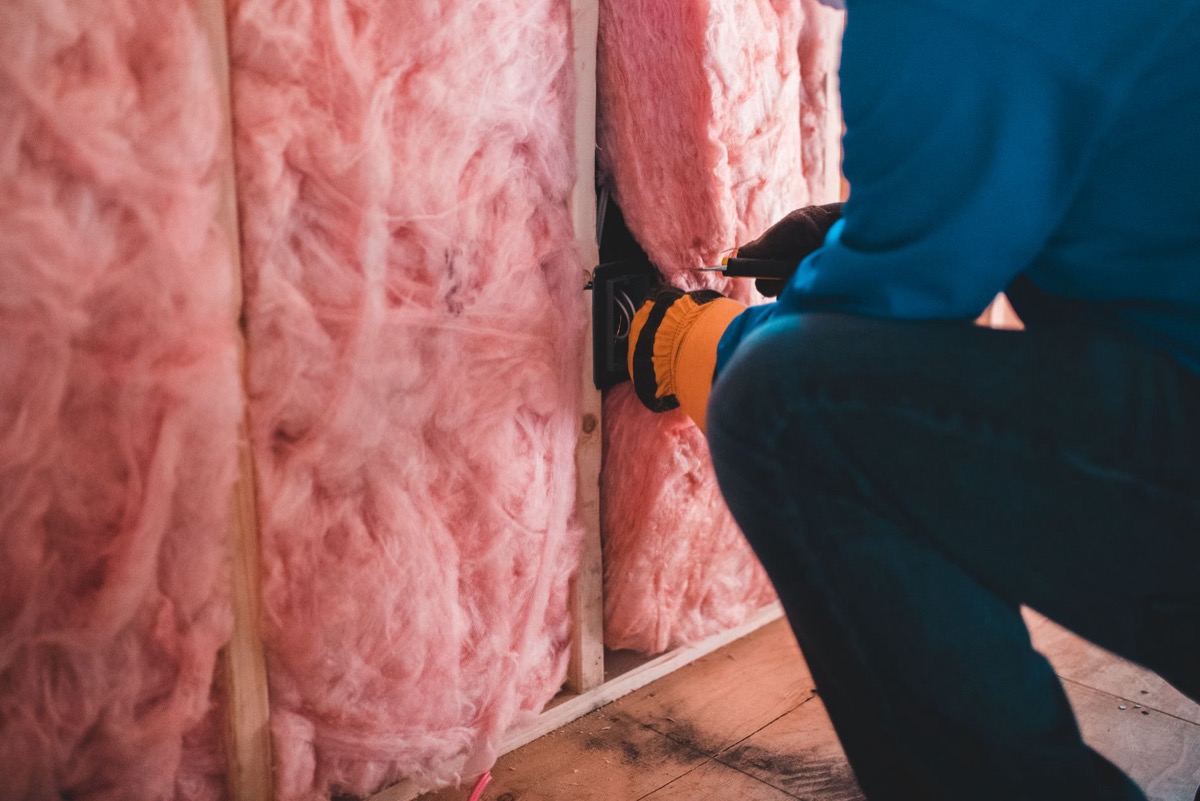
Recently, the "Texas Home Improvement Show" on iHeart drew attention to "Affordable Insulation Options," reflecting a widespread desire among homeowners to enhance their homes' energy efficiency without overspending. This interest is well-founded: proper insulation is one of the most effective ways to reduce heating and cooling costs and improve indoor comfort year-round. Fortunately, you don't need a huge budget to make a significant impact on your home's energy performance.
This guide explores various cost-effective insulation materials and methods, providing you with smart choices to improve energy efficiency without breaking the bank.
Why Affordable Insulation is a Smart Investment
Investing in insulation, even on a budget, offers significant returns. The U.S. Department of Energy highlights that adequate insulation is key to cutting down on energy waste, leading to lower utility bills. Beyond savings, better insulation contributes to:
- Enhanced Comfort: Consistent indoor temperatures, free from drafts and hot spots.
- Noise Reduction: Many insulation types also offer sound dampening benefits.
- Increased Home Value: An energy-efficient home is often more appealing to potential buyers.
- Environmental Impact: Reducing energy consumption lessens your carbon footprint.
Even small upgrades can make a noticeable difference in your home's overall energy performance and your monthly expenses.
Top Cost-Effective Insulation Materials
When budget is a primary concern, several insulation options offer excellent value for their cost and R-value. R-value measures thermal resistance; a higher R-value means greater insulating power. You can learn more about how to calculate your needs using our R-value calculator.
- Fiberglass Batts:
- Description: Commonly found in rolls or pre-cut pieces, fiberglass batts are made from finely spun glass fibers. They are one of the most widely used and affordable insulation types.
- Best For: New construction, unfinished walls, attics (Attic Insulation Calculator), and floor cavities with standard joist spacing. They are relatively easy for DIYers to install.
- R-Value: Typically R-3.0 to R-3.8 per inch (standard density); high-density batts can reach R-4.3 per inch.
- Blown-in Cellulose:
- Description: Made primarily from recycled paper products, cellulose is treated with fire retardants. It's applied using a blowing machine, allowing it to fill cavities and irregular spaces completely.
- Best For: Existing walls (without tearing down drywall), attics, and hard-to-reach areas. It's an excellent option for improving insulation in older homes. You can use our blown-in insulation calculator to estimate your needs.
- R-Value: Typically R-3.2 to R-3.8 per inch. It also offers good sound-dampening qualities.
- Rigid Foam Boards (EPS, XPS):
- Description: These come in various materials (Expanded Polystyrene - EPS, Extruded Polystyrene - XPS, Polyisocyanurate - Polyiso) and offer higher R-values per inch than batt or blown-in options.
- Best For: Exterior walls (as continuous insulation), basement walls, crawl spaces, and specific applications where space is limited but a high R-value is needed. While the per-board cost can be higher, their effectiveness in targeted areas can make them very cost-efficient.
- R-Value: Ranges from R-3.8 to R-6.5 per inch, depending on the type.
DIY vs. Professional Installation: Weighing Your Options
One of the most significant ways to reduce insulation costs is through DIY installation. For straightforward projects like adding fiberglass batts to an accessible attic or blowing cellulose into an open attic floor, many homeowners can successfully do the work themselves. Renting a blowing machine for cellulose can be surprisingly affordable, and some retailers even offer free rentals with a minimum insulation purchase.
However, complex projects, such as insulating existing closed-cavity walls, spray foam applications (Spray Foam Calculator), or jobs requiring specialized equipment and safety precautions, are often best left to professionals. A professional installer can ensure proper coverage, sealing, and compliance with local building codes, preventing costly mistakes and maximizing your insulation's performance.
Maximizing Value with Smart Choices
To get the most out of your affordable insulation investment, consider these tips:
- Prioritize Key Areas: Start with the areas where you lose the most heat or cool air. For most homes, this is the attic, followed by walls and crawl spaces.
- Seal Air Leaks First: Insulation works best when air leaks are minimized. Use caulk and weatherstripping to seal cracks and gaps around windows, doors, and utility penetrations before insulating.
- Understand Your Climate Zone: The recommended R-values for your home depend on your geographical location. Consult resources on climate zones to determine appropriate levels for your area.
- Use Our Free Calculators: To accurately estimate material quantities and potential costs, take advantage of our free insulation calculator. This tool can help you plan your project efficiently and avoid overspending.
DOE-recommended attic R-value by climate zone
Key Takeaways
- Affordable insulation options can significantly reduce energy bills and enhance home comfort.
- Fiberglass batts, blown-in cellulose, and rigid foam boards are excellent budget-friendly choices.
- DIY installation can save money for accessible projects, but complex jobs may benefit from professional expertise.
- Prioritize insulating attics and sealing air leaks for the greatest impact on energy efficiency.
- Use online calculators to accurately plan your insulation project and estimate material needs.
Try It Yourself — Free
Ready to explore the best affordable insulation options for your home? Use our free insulation calculator to estimate your material needs and potential savings. For specific attic projects, try our Attic Insulation Calculator to get started.
Related Resources
- Attic Insulation Calculator
- Blown in Insulation Calculator
- Climate Zones
- R Value Calculator
- Complete Guide
More From Our Network
- Duct Size Calculator — same niche
- cyberfrad — our network
Sources
- iHeart — Original report
- iHeart — The 'Texas Home Improvement Show' on iHeart highlighted 'Affordable Insulation Options'.
- U.S. Department of Energy — Adequate insulation is key to cutting down on energy waste, leading to lower utility bills.